Table of Contents
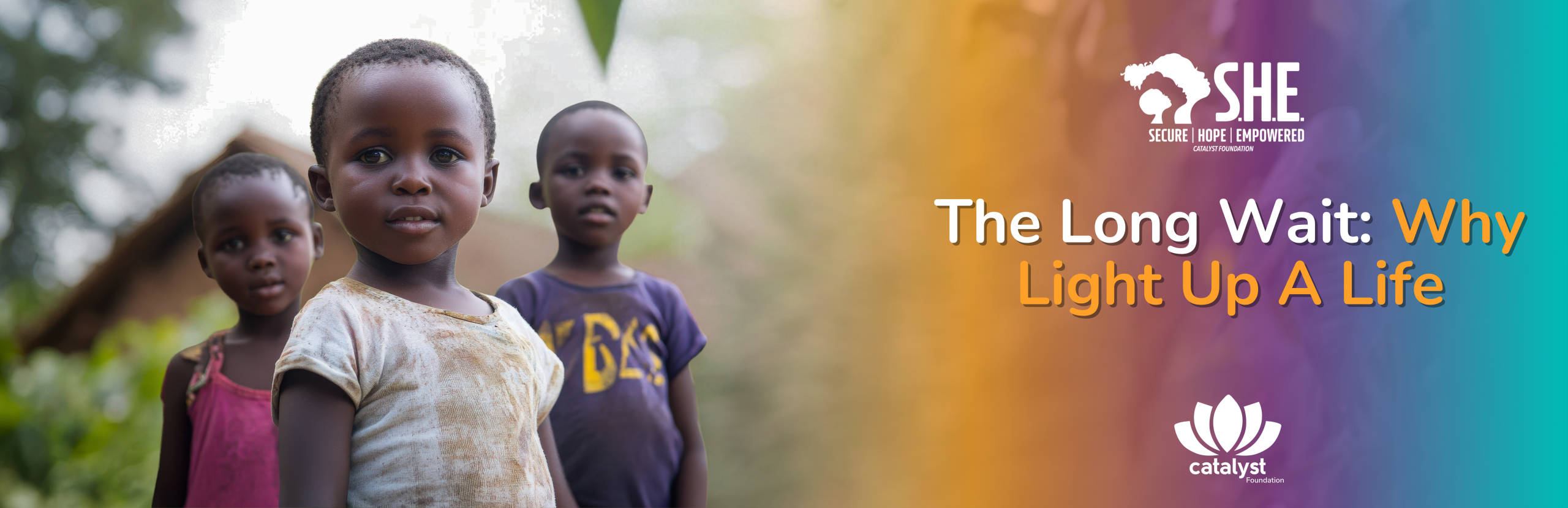
For many across the globe, the transition into December signals the start of the holiday season, a time of plenty, light, and anticipation. Yet, in the rural heartlands of Zambia and Zimbabwe, this period marks a descent into the Peak Lean Season. A cruel, four-month stretch colloquially known as The Hungry Season. This is not just a time of shortage; it is a profound crisis of food insecurity, driven by climate volatility and systemic vulnerability.
The Paradox of the Rains
The rainy season should herald renewal. Instead, it creates a terrifying paradox.
In Zambia and Zimbabwe, the vast majority of livelihoods hinge upon rain-fed agriculture. Farmers plant their staples, primarily maize, in the hope that the rains will arrive predictably. However, climate change has introduced a punishing cycle of extremes: devastating droughts are now frequently followed by erratic, intense rainfall and subsequent flooding.
By the time the heavy rains arrive in earnest between December and March, household grain stores are completely depleted. Families who rely on subsistence farming to survive have no reserves to draw upon. The roads become waterlogged, making transportation of any imported food prohibitively expensive. This combination ensures that the very period intended for growth is when food prices soar, and hunger bites deepest.
A Crisis Measured in Millions
The scale of this crisis, particularly in rural and marginalised communities, is staggering and demands serious attention.
Independent food security analyses consistently place millions of people in high levels of acute food insecurity. The Integrated Food Security Phase Classification (IPC) is a critical barometer, frequently reporting devastating numbers:
- In Zimbabwe, data reveals that, during peak hunger, millions of rural inhabitants face Crisis or Emergency levels (IPC Phase 3 and 4) of food insecurity. This classification means families are suffering significant food consumption gaps or are only surviving by selling off essential livestock and assets, a desperate act that ensures future poverty.
- Chronic Malnutrition: Even when food is available, the quality suffers. Across the region, high rates of child stunting, often exceeding 25%, demonstrate the long-term, debilitating impact of perennial hunger on physical and cognitive development.
For a small-scale farmer in Matabeleland North or a remote village in Eastern Zambia, these statistics translate into impossible choices: sacrificing school fees for a bag of maize meal, or going an entire day without food.
The Urgent Need: Fueling the Light up a Life Campaign
This is why our response must be immediate, practical, and heartfelt.
The Light up a Life Christmas Campaign is an essential intervention designed to deliver a lifeline directly into these vulnerable homes, bridging the critical gap of the hungry season. We are not simply distributing charity; we are providing a shield against the most dangerous months of the year.
The Christmas Food Hamper—a sturdy box packed with nutritional staples like maize, pulses, and oil—provides families with the basic human dignity of a meal, offering crucial caloric and nutrient intake when they need it most. More profoundly, it allows children to survive the January-to-March lean season intact, ensuring they are healthy enough to return to school when the new term begins.
Every single hamper you fund ensures that a child is not forced to face the harsh realities of the hungry season alone. This Christmas, let us look beyond the immediate festivities and extend a hand to those communities enduring the annual long wait for the next harvest.
Be the light in the dark season.